What changes for the kitchen
Chefs describe the first change as sensory: herbs that still smell like the plant, greens with structure. Harvest-to-service in hours does what no supplier relationship can, because freshness is mostly a function of time, and time is the one thing a distant farm cannot sell you.
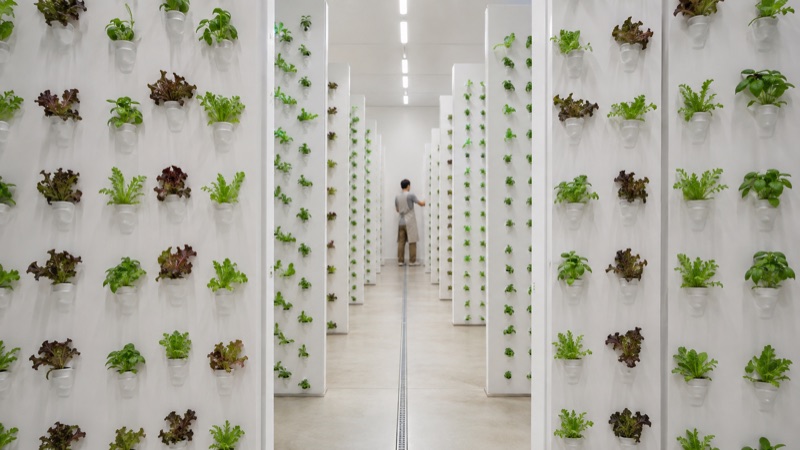
The second change is planning. On-site growing runs on staggered plantings, so the kitchen gets a steady weekly rhythm of harvest instead of a guessing game about what the truck will bring. Menus can be written around what is actually coming out of the wall this week.
Harvest-to-service in hours does what no supplier relationship can.
What changes for the menu
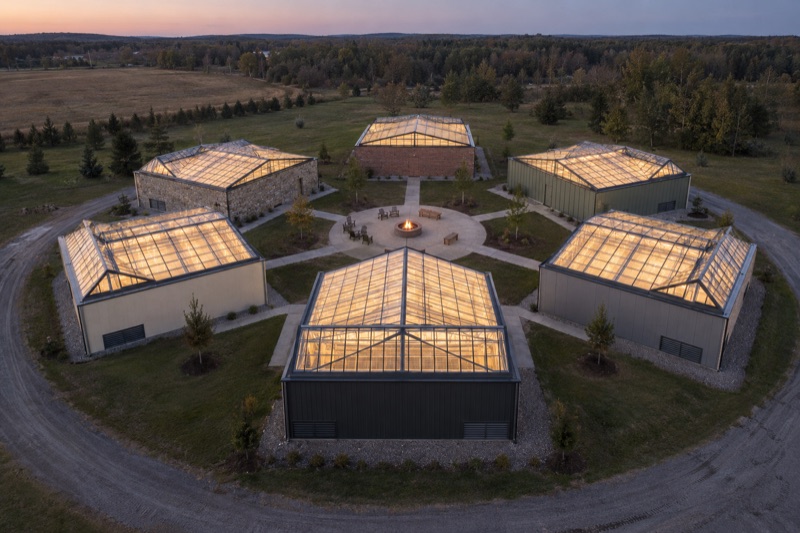
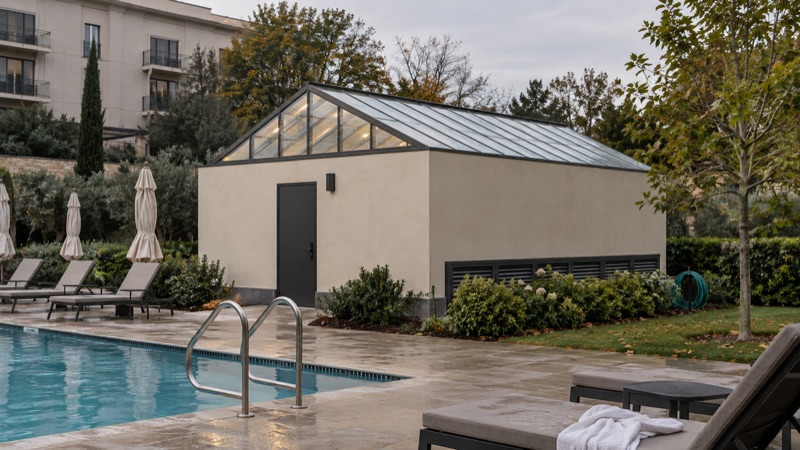
"Grown on property" is one of the few menu phrases that is both premium and verifiable. Guests can see the structure. Some properties tour it. That honesty is worth more than any sourcing story a distributor can print, and competitors cannot copy it without building one themselves.
What changes for the supply
Weather, freight, and seasonal shortages stop being your produce problem for everything you grow. When the supply chain hiccups, the wall keeps producing. Kitchens that run around the clock, and ships that leave port entirely, feel this most.
What it asks of your team
Less than most people expect. Climate, water, and nutrients are managed and monitored remotely by One Season. The daily work is planting, harvesting, and keeping the space clean, which is trainable in days and fits inside existing kitchen roles.