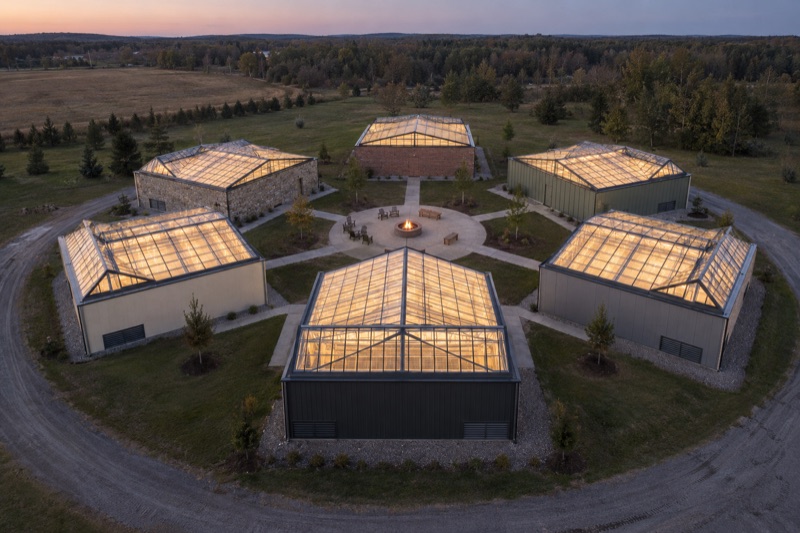
1. The supply chain keeps proving fragile
Weather losses, freight costs, and labor gaps now disrupt growing regions and the chains that move food across the roughly 1,500 miles an average meal travels. Every operator who lived through the last few years of shortages learned the same lesson: what you do not control can be taken away.
2. Buyers now expect the local story to be real
Guests, students, and residents increasingly choose where to stay, study, and eat based on sustainability and sourcing. And they have learned to tell the difference between a sourcing story on a menu and a growing system they can walk up to.
For a century the direction of food was one-way: farther away, bigger farms, longer trucks. That direction is reversing.
3. The technology matured
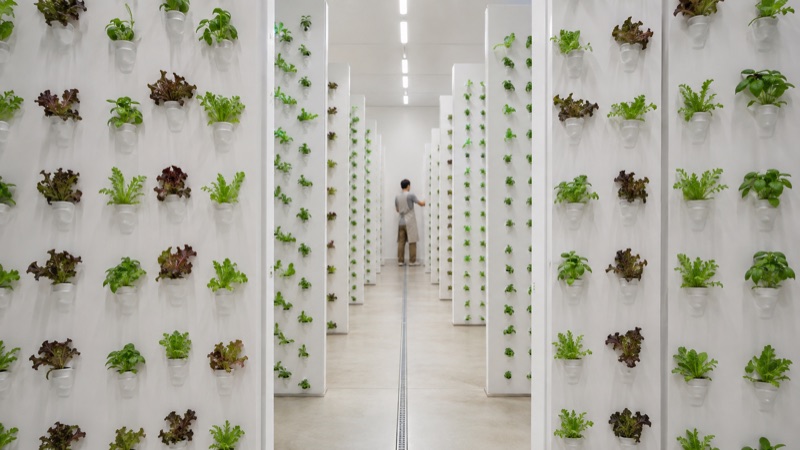
Controlled environment agriculture stopped being a science project. Industry figures point to dramatically higher yield per acre and up to 90 percent less water than open-field growing, with harvests 365 days a year regardless of climate. The systems are now reliable enough to be monitored remotely and run by non-farmers.

4. The money is following local food
Public programs have invested heavily in local and regional food systems, aimed at schools, food banks, and Tribal communities. Health funders treat fresh-food access as prevention-adjacent work worth supporting. Capital is flowing toward exactly the projects that grow food where it is needed.
5. The economics of distance stopped improving
Freight, fuel, cold-chain, and spoilage costs all move in one direction over time. Growing at the point of use removes those line items entirely for whatever a site grows itself, and trades a volatile expense for a predictable one.
Put the five together and on-site growing stops looking like a novelty and starts looking like where the market was always heading. The interesting question is no longer whether food moves closer to the table. It is who moves first in each market.